Electric Hot Water Heaters
Big Enough To Get The Job Done, Small Enough To Care


Electric Water Heater Service
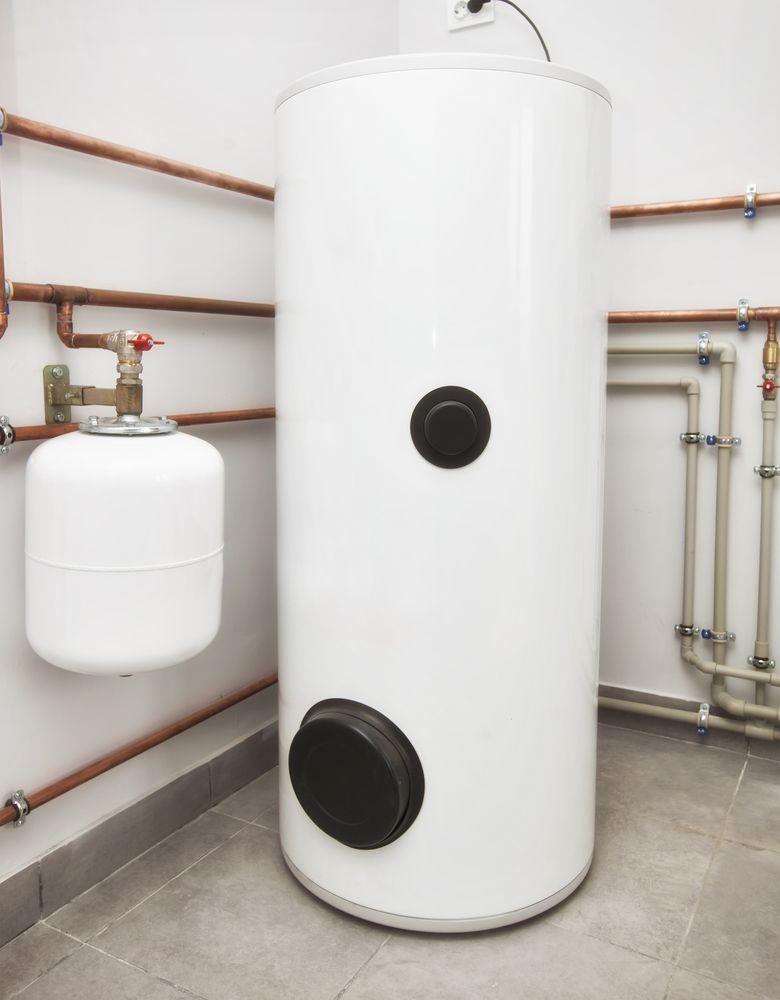
Electric Hot Water Heaters, Remove & Replace Services
If you have an electric water heater no hot water, call us for emergency service. We offer same-day electric hot water heater service.
When your electric water heater is nearing the end of its life expectancy and you're looking at a water heater replacement, you'll be happy to know there are more options with this type of water heater now, thanks to federal laws requiring water heaters to be more energy-efficient. Electric water heater service life span is similar to a gas fired tank type. About ten to twelve years.
Most homeowners replace the old water heater tank with a similar model, (same fuel source, natural gas or electricity). It's a good idea to replace the unit if you've noticed a water stain or puddle, or it is ten years or older. Avoiding potential water damage is always a good recommendation.
Switching from gas fired to an electric water heater can be costly because it means retrofitting the plumbing and electrical system. Installing an alternative water heater may make sense though if you are building an addition or renovating something.
Water Heater Repair, Knowing When to Call a Pro
Even the most reliable water heater will eventually show signs of wear, and knowing what to look for can save you from an unexpected cold shower or a much bigger repair bill down the road.
Some of the most common warning signs include inconsistent water temperature, water that takes unusually long to heat up, strange popping or rumbling noises coming from the tank, discoloured or rusty water at the tap, or moisture and pooling water around the base of the unit. Many of these issues have straightforward causes, a faulty heating element, a worn thermostat, a failing pressure relief valve, or sediment buildup inside the tank from years of mineral deposits.
Some minor maintenance tasks, like flushing sediment from the tank or replacing a heating element, can be handled by a confident DIYer with the right tools and a little research. However, anything involving electrical connections, gas lines, or a suspected tank leak should always be left to a licensed professional.
Attempting repairs beyond your comfort level can turn a manageable problem into a safety hazard or cause damage that ends up costing far more than a service call would have in the first place. If your water heater is more than ten years old and requiring frequent attention, it may be more cost effective to consider a replacement rather than continuing to invest in repairs.
A qualified plumber or heating technician can assess the condition of your unit honestly and help you weigh the options, so you can make the best decision for your home and your budget.
Technical Info
Most electric water heaters use electric resistance elements to heat the water in the storage tank. A two-element electric water heater has one element at the top of the storage tank, and one element at the bottom. Each element is controlled by an independent thermostat. The lower element provides recovery from standby losses, and the upper element provides extra heating when a lot of hot water is being used. Some heaters contain only a lower element.
Electrical water heaters that store hot water can be a good match for a smart grid, so that it heats when the electrical grid load is low and turns off when the load is high. This could be implemented by allowing the power supplier to send load-shedding requests, or by the use of real-time energy pricing.
Heat pump water heaters use an air source heat pump to transfer thermal energy from the air around the unit into the storage tank. Electric resistance element(s) are typically included to provide backup heating if the heat pump cannot provide sufficient heating capacity. A professional plumber knows the technical aspects and energy efficiency of electric water heaters.
Comparisons
When it comes to electric water heaters, there are a few different types to consider, and each one has its own strengths depending on your household's needs and budget. The most common is the traditional storage tank water heater, which heats and stores a large amount of water, typically between 40 and 80 gallons, keeping it ready to use at any time. It is affordable to purchase and install, but it does use energy continuously to keep that stored water hot, even when nobody is using it.
Tankless water heaters, sometimes called on-demand heaters, work differently by heating water only when you need it, which can significantly reduce your energy bills over time. They take up much less space and never run out of hot water, though they do cost more upfront and may struggle to keep up during periods of very high demand.
Heat pump water heaters are one of the most energy-efficient options available, using electricity to move heat from the surrounding air into the water rather than generating heat directly, making them two to three times more efficient than a standard electric tank. They do require more space and work best in warmer areas of the home like a garage or utility room.
Point-of-use electric water heaters are a practical and often overlooked option, designed to be installed directly at the location where hot water is needed, under a sink or in a bathroom cabinet, for example.
These compact units are ideal for eliminating the long wait for hot water to travel from a distant central heater, and they work excellently as a supplement to your main system in larger homes. While they are not intended to replace a whole-home water heater, they are energy efficient, inexpensive to purchase, and very easy to install, making them a smart addition for improving convenience and reducing water waste. Understanding your household's hot water habits, available space, and long-term budget will help you choose the right system with confidence.