

Pipe Bursting in Vancouver
Understanding Pipe Bursting: A Modern, Trenchless Solution for Replacing Underground Pipes
What Pipe Bursting Actually Is
When a sewer line or water line fails, most homeowners worry about the mess, cost, and disruption that come with traditional excavation. Fortunately, modern trenchless solutions, especially pipe bursting, offer a cleaner, faster, and more reliable way to replace an existing pipe without tearing up a yard, driveway, or garden. As trenchless technologies continue to advance, more people are turning to this method for long‑lasting sewer or water repairs.
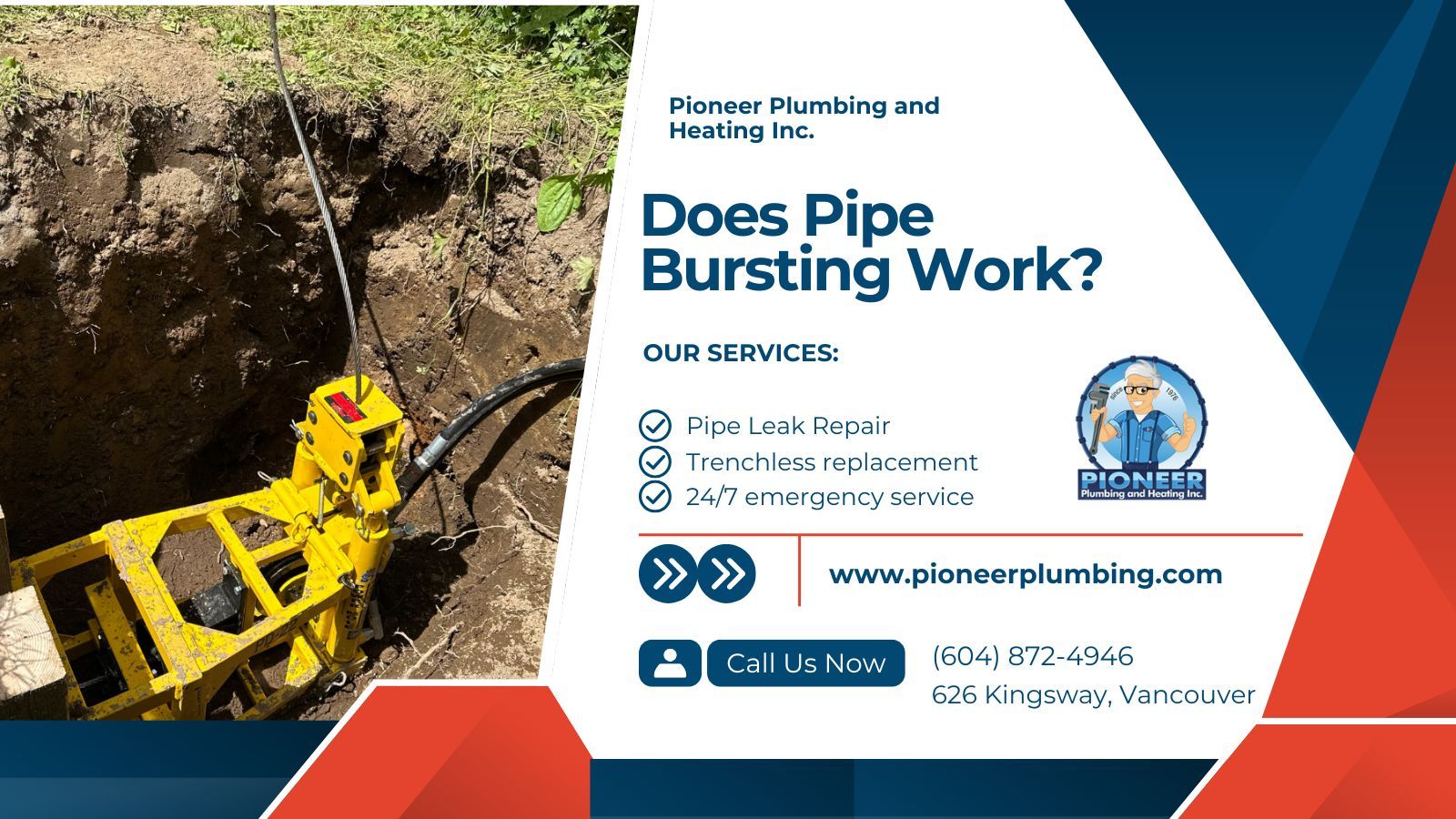
The pipe bursting method is a trenchless pipe replacement technique that allows contractors to install a brand new pipe inside the old pipe. Instead of digging a long trench, technicians create two small access points for pipe entry and exit. A specialized bursting head, sometimes powered by pneumatic pipe bursting or static pipe bursting equipment, is pulled through the host pipe. As it moves forward, the tool fractures the original pipe and pushes the fragments into the surrounding soil.
At the same time, a durable HDPE pipe or other approved pipe material is pulled into place behind the bursting tool. This pipe bursting process creates a smooth, seamless replacement pipe that often outperforms the old system in strength, flexibility, and lifespan.
Because the method works with many types of pipe, including clay, cast iron, and aging sanitary sewer lines, it has become a preferred option for sewer repair, water mains, and even some water and gas applications depending on local regulations.
Why Homeowners Choose This Trenchless Method
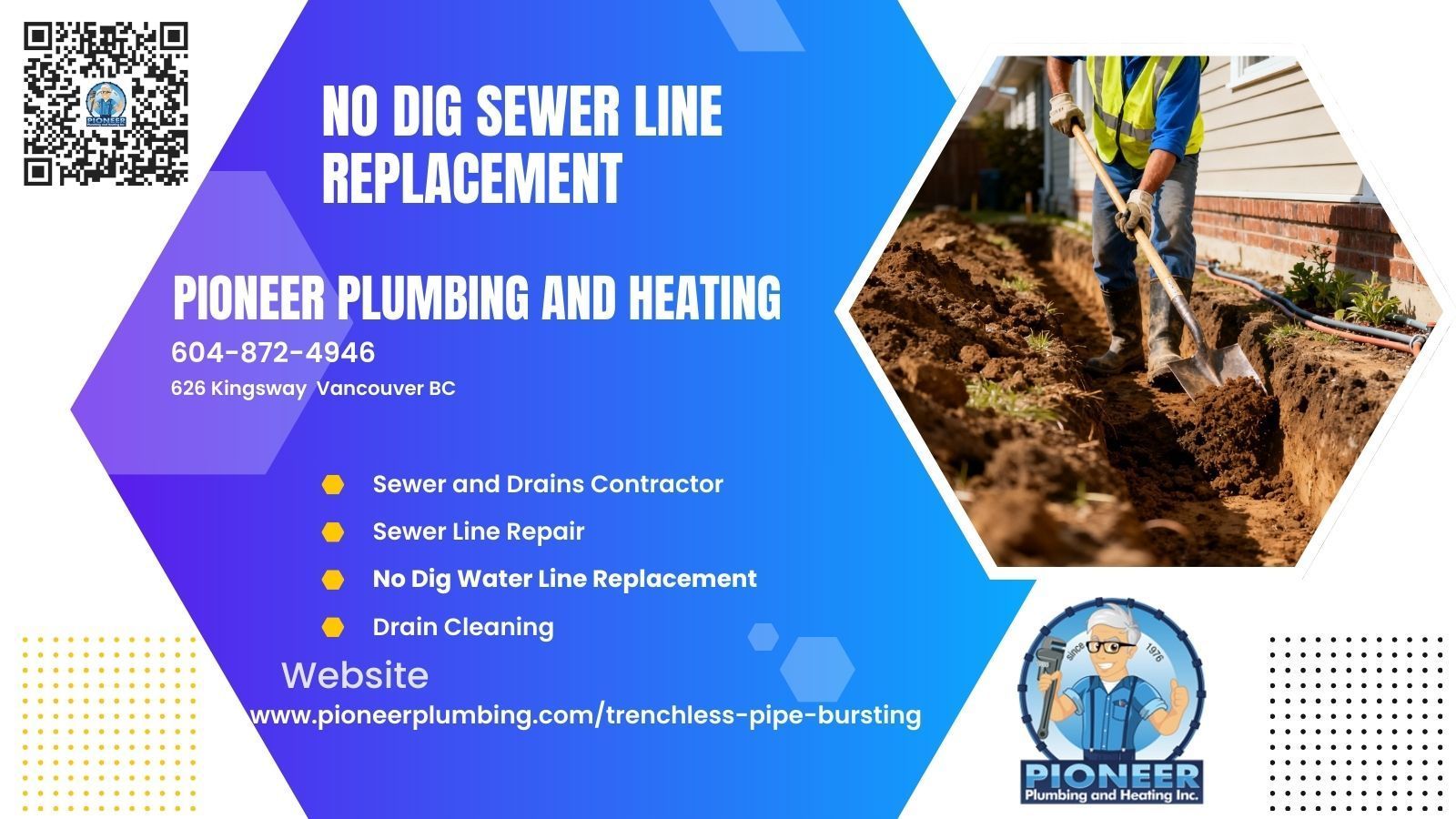
One of the biggest benefits of trenchless replacement is the minimal disruption. Traditional digging can damage landscaping, hardscaping, and structures, while trenchless sewer and trenchless pipe bursting require only small access pits. This makes the project faster, cleaner, and far less invasive.
Homeowners also appreciate that pipe bursting provides a full line replacement, not just a patch or partial fix. Unlike pipe relining, which creates a pipe within a pipe but doesn’t increase pipe size, bursting allows for upsizing when needed. This is especially helpful for older homes with undersized sewer or water line systems.
Because the new polyethylene pipe is resistant to corrosion, root intrusion, and ground movement, the result is a successful pipe rehabilitation that reduces the likelihood of future sewer line repairs or emergency line repair calls.
How the Pipe Bursting Operation Works
A typical pipe bursting work sequence includes:
- Camera inspection to assess the existing pipe and confirm that using pipe bursting is appropriate.
- Digging two small pits for access instead of full excavation.
- Feeding a cable or rod through the old pipe to connect the bursting tool.
- Pulling the tool forward to break apart the host pipe while installing the new replacement pipe.
- Completing final connections and testing the sewer or water system for proper flow.
Most residential sewer pipe bursting or sewer line replacement projects are completed in a single day, though larger properties may require more time.

Comparing Pipe Bursting to Other Trenchless Options
Homeowners often compare trenchless sewer line replacement with other trenchless technologies such as:
- Pipe relining: ideal for minor damage but does not increase capacity
- Traditional sewer line digging: effective but highly disruptive
- Trenchless sewer repair: a broad category that includes bursting, lining, and hybrid methods
If the goal is full repair or replacement, increased pipe size, or long‑term durability, line pipe bursting is often the strongest choice.
When Pipe Bursting May Be the Best Option
This replacement method is ideal when:
- The old pipe is collapsed, severely corroded, or structurally compromised
- The sewer main replacement requires upsizing
- The property has mature landscaping or expensive surfaces that homeowners want to protect
- The sewer and water lines are made from materials that are difficult to repair
- A full repair and replacement is needed rather than a temporary fix
Because pipe bursting involves replacing the entire line, it eliminates recurring issues caused by aging infrastructure.
Costs and Considerations
The cost of pipe bursting services depends on depth, length, soil conditions, and accessibility. While the upfront price may be slightly higher than digging, homeowners often save significantly on restoration costs. The long lifespan of the new pipe also reduces future sewer line replacement or pipe repair expenses.
Choosing an experienced contractor, ensures the bursting work is performed safely and correctly with the right pipe bursting equipment.
The Future of Trenchless Pipe Replacement
As demand grows for efficient, environmentally friendly infrastructure solutions, trenchless pipe replacement continues to expand. Municipalities, commercial properties, and homeowners are all embracing pipe bursting technology for its speed, reliability, and minimal disruption.
Whether you’re dealing with underground water issues, frequent backups, or aging sewer systems, pipe bursting remains one of the most effective ways to replace a pipe without the headaches of traditional digging.
If you’re noticing signs of sewer line failure or have questions about pipe problems on your property, reach out to a qualified trenchless specialist. They can assess whether pipe bursting or another trenchless sewer repair method is the right solution for your home.
Pioneer Plumbing & Heating Inc
626 Kingsway
Vancouver BC
(604) 872-4946
https://cordedcourge.shop/trenchless-pipe-bursting