
What Are Sewer Mains?
Sewer Main Types: Gravity Sewer, Sanitary Sewer, and Force Main
If you've ever wondered what happens after you flush your toilet or drain your sink, the answer involves a complex network of underground pipes working behind the scenes. At the heart of this infrastructure are sewer mains, critical components that most homeowners rarely think about until something goes wrong.
Understanding what these pipes are, how your sewer system works, and your responsibilities as a property owner can save you from costly surprises and help you maintain proper drainage for your home.
Understanding Sewer Mains: The Basics
A sewer main is a large underground pipe that collects wastewater from multiple residences and businesses and transports it to a treatment plant. Think of it as the main highway of your community's sewer system, while the lateral pipes on your property are the residential streets leading to that highway.
These sewer pipes are typically much larger than the plumbing in your home, ranging from 8 inches and up in diameter, depending on how many properties they serve. The main runs beneath streets, easements, and public rights-of-way, forming an interconnected network managed by your municipality to handle sewage disposal for entire neighborhoods.
How Your Sewer System Works
The journey of waste water begins in your home. When you flush a toilet, take a shower, or run the dishwasher, that wastewater flows through your home's drain pipes into your property's laterals, the sewer line connecting your house to the public sewers. This lateral typically runs from your foundation to the property line or to the connection point with the municipal wastewater system.
Most communities rely on a gravity sewer system, where wastewater travels downward through pipes toward lower elevations, eventually reaching a wastewater treatment plant. The natural slope and topography of the land allow sewage to move without mechanical assistance in a gravity fed system. However, in low-lying areas or locations with challenging elevation changes, the system may require a force main, a pressurize pipe that uses a pump at a lift station to move the wastewater to higher elevation before it can continue flowing by gravity to the treatment facility.
In areas where gravity alone cannot move sewage efficiently, pumping stations are strategically placed to push waste water through the pressure sewer portions of the system. These lift stations collect sewage in a sump, then use high-pressure pumps to force it upward until it can rejoin the gravity sewer network.
The Critical Difference: Private vs. Public Sewer Lines
One of the most important things that you need to understand is the distinction between your private drain pipes and the public sewer, as this determines who handles maintenance requirements and repairs.
Drain pipes connecting your home to the main, is typically your responsibility. This includes the section running from your house across your property. The exact point where your responsibility ends varies by location. In some areas, homeowners are responsible only to the property line, while in others they're responsible all the way to the connection point with the sanitary sewer, which might extend into the street.
The main itself is usually owned and maintained by the city or utility company. However, you should verify this with local authorities, as policies differ between jurisdictions. Many towns and cities conduct regular sewer inspection programs and cleaning and inspection schedules to prevent problems in the public system.
Common Sewer Main Problems
While most towns maintain the community sewers, problems with these pipes can affect homeowners. Understanding common issues can help you recognize when there might be a trouble:
Tree root intrusion is one of the most frequent causes of blockages. Tree roots naturally seek out water sources, and even small cracks in sewer pipes can attract roots that eventually grow large enough to obstruct flow or cause a leak in the system.
Aging infrastructure affects many communities, particularly those with older neighborhoods. Clay, cast iron, and Orangeburg pipes installed decades ago can deteriorate and crack over time. Modern PVC pipes are more durable, but many older systems still rely on aging materials that may need excavation and replacement.
Grease buildup and blockages occur when fats, oils, and grease are poured down drains. These substances cool and solidify in pipes, gradually restricting flow. Combined with other debris, they create significant obstructions requiring professional sewer cleaning.
Ground shifting and settling can cause pipes to crack, separate at joints, or develop bellies, low spots where waste accumulates. This is particularly common in areas with expansive soils or regions prone to ground movement.
Infiltration and inflow problems occur when groundwater seeps into the sanitary sewer system through cracks or when rainwater enters through improper connections. During heavy rainfall or wet weather, this extra water can overwhelm the system's capacity, potentially causing a sewer overflow.
Some older communities still have combined sewer systems, combined sewers that carry both sanitary black water and storm sewer runoff in the same pipes. During heavy rainfall, these systems can exceed capacity, leading to overflow events that may discharge raw sewage into local waterways, creating water pollution control concerns.
Signs of Sewer Main Problems
Even if the sewer main isn't your direct responsibility, problems with it can affect your home. Watch for these warning signs:
Multiple drain backups throughout your home, especially in lower-level fixtures, often indicate a problem beyond your property line. If several neighbors experience simultaneous backups, a main issue is likely.
Odors from the sewer in your yard or near manhole covers can signal a cracked or overflowing pipe. Unusually lush or soggy patches in your lawn might indicate a leak fertilizing and watering that area. Manholes are used as access points for inspection and maintenance, so problems near these locations may indicate main line issues.
Gurgling sounds from toilets or drains when water is running elsewhere in the house suggest air is trapped due to a blockage or venting problem.
If you notice these signs, contact your municipality's public works or water pollution control department to report the issue and request a sewer inspection.
Maintenance and Prevention
While you can't directly maintain the public sewer system, you can take steps to prevent problems with your exterior drains that might contribute to system issues:
Never pour fats, oils, or grease down your drains. Instead, let them cool and dispose of them in the trash. Avoid flushing anything other than toilet paper and human waste, so-called "flushable" wipes often don't break down properly and contribute to blockages in both your connecting drain pipes and the sanitary sewer system.
Consider having the drains from your house to the sewer inspected periodically, especially if you have an older home. A camera-based sewer inspection can identify developing problems before they become emergencies. Some municipalities even offer inspection programs for residential connections.
Be mindful of what you plant near sewer lines. Trees with aggressive root systems like willows and poplars should be planted well away from pipes. Consult with a landscaper about root barriers if you're concerned about existing trees.
Proper plumbing practices help the entire system function efficiently. Understanding basic drainage principles protects both your home and the community infrastructure.
Types of Sewer Systems
Understanding what type of system serves your home helps you make informed decisions:
Gravity sewer systems are the most common, using natural slope to move wastewater from homes to the treatment plant. These systems are typically the most reliable and require less maintenance than pressurized systems.
Force main and pressure sewer systems use pumps to pressurize sewage and push it through pipes when gravity alone won't work. These are necessary in flat terrain or areas where the treatment facility is at a higher elevation than the surrounding neighborhoods.
Combined sewer systems handle both house waste and surface runoff from rainfall in the same pipes. While less common in newer developments, many older cities still operate combined sewers. During wet weather, these systems may experience sewer overflow events.
Sanitary sewer systems keep wastewater from homes separate from storm sewer drainage. This separation, sometimes called a sewer and water system when managed together, helps prevent overflow and protects the wastewater treatment plant from being overwhelmed during heavy rainfall.
Modern approaches also consider grey water separate from other waste water. Grey water from sinks and showers contains fewer contaminants than that from toilets and can sometimes be treated differently or reused for irrigation where regulations permit.
Sewer Main Repair and Replacement
When sewer mains fail, municipalities have several repair options. Traditional methods involve excavation of the street to access the pipe, a disruptive and expensive process. However, newer technologies have revolutionized repairs:
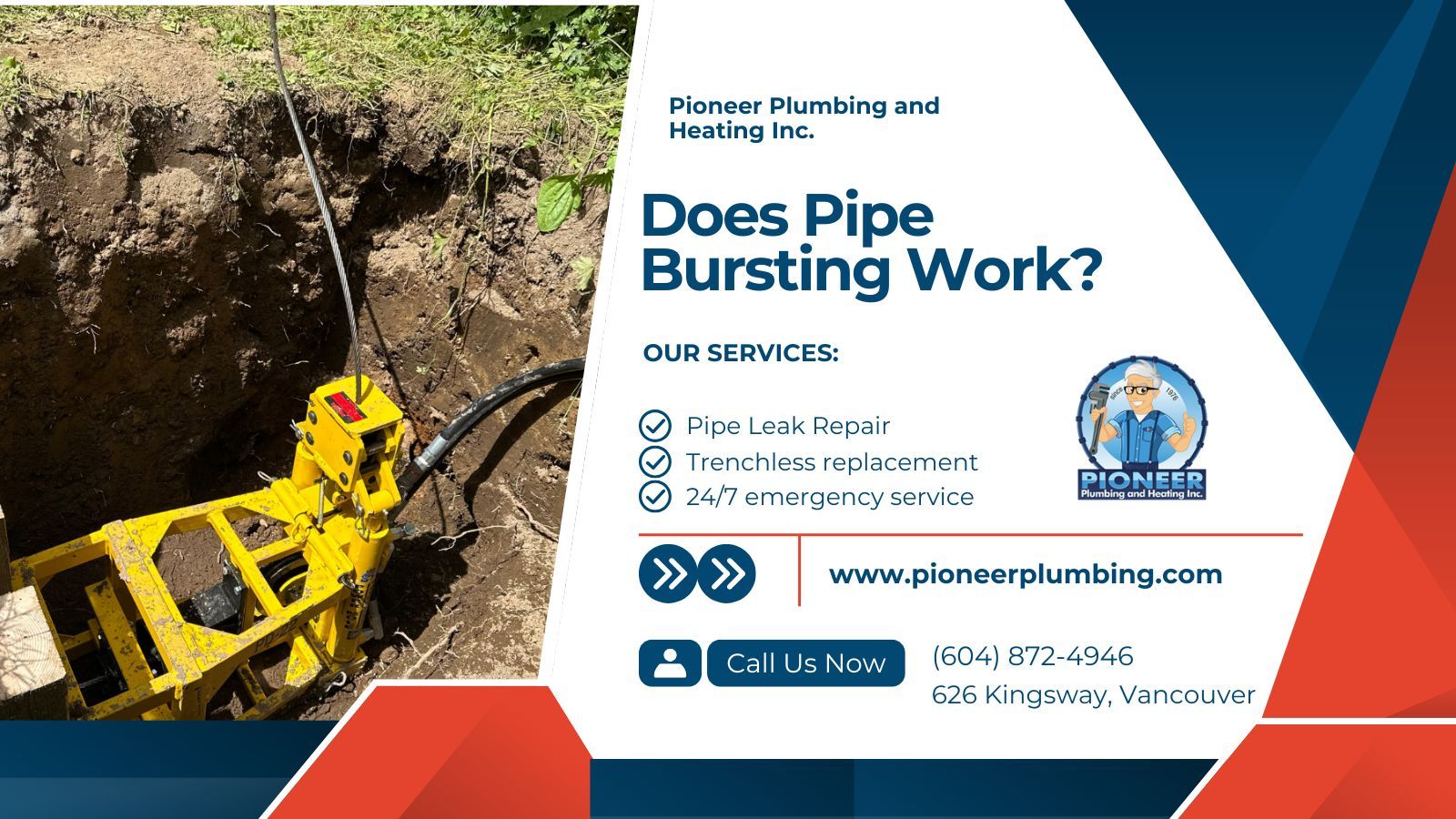
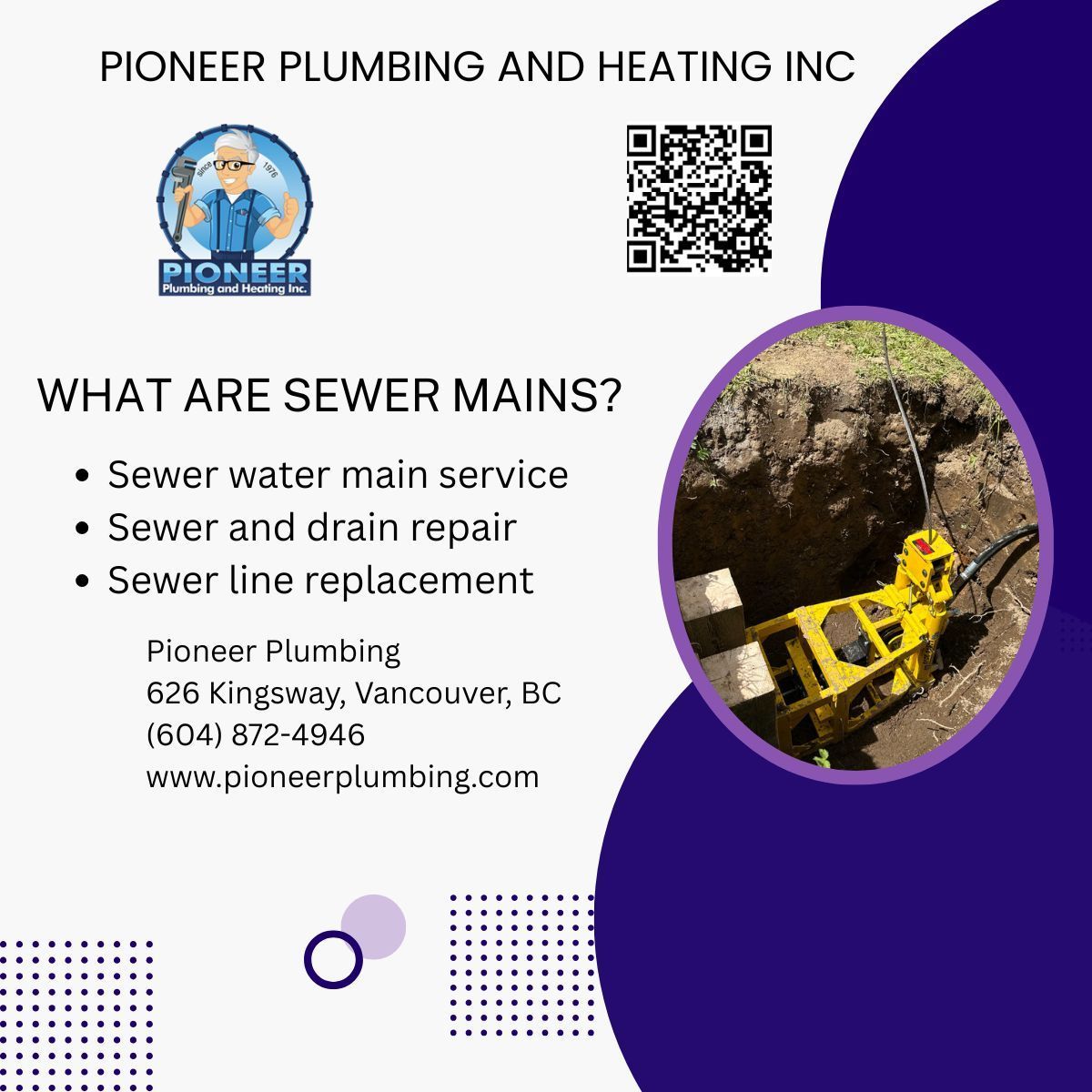
Trenchless repair methods allow repairs with minimal digging by using existing access points like manholes and specialized equipment. Techniques include pipe lining with epoxy coatings that create a new pipe within the old one, and pipe bursting that replaces the old pipe by breaking it apart while pulling new pipe into place.
Interceptor installations may be added to redirect flow or capture debris before it enters the main system, reducing maintenance requirements downstream.
If repair work on the sewer affects your property access or causes damage to your landscaping or driveway, document everything with photos and contact your local utility to understand their policies on restoration and compensation.
Understanding Wastewater Treatment
Once sewage reaches the wastewater treatment plant, it undergoes several processes. The treatment facility removes contaminants from municipal wastewater before the treated effluent is released back into the environment. Industrial wastewater from businesses may require additional treatment beyond what residential homes needs.
The treatment plant processes wastewater from homes through multiple stages, removing solids, treating with beneficial bacteria, and disinfecting before discharge. This process protects public health and the environment from the potential hazards of raw sewage.
Financial Thoughts
While municipalities typically cover sewer repairs, you should be aware of potential costs related to your lateral. Some insurance policies don't cover sewer line damage, and repairs can cost thousands of dollars. Consider whether specialized insurance makes sense for your situation.
Some communities offer shared-cost programs or special assessments for widespread replacement projects. Understanding your area's policies can help you budget appropriately. Rural homeowners with septic tanks face different maintenance requirements and costs than those connected to municipal systems.
In Closing
Sewer mains are essential infrastructure that quietly serve your home every day, carrying wastewater safely away from your property to the treatment facility. Whether your community uses a gravity sewer, force main, or combined system, understanding how it works helps you recognize potential problems and maintain your property's connection properly. While these public pipes aren't your direct responsibility to maintain, knowing the difference between your private lateral and the public sanitary sewer, recognizing warning signs, and practicing good drainage habits protects your home and contributes to the overall health of your community's wastewater system.
By being an informed homeowner, you can respond appropriately when issues arise and take preventive steps to avoid problems with your connection to this vital infrastructure.
Pioneer Plumbing & Heating Inc
626 Kingsway
Vancouver BC
(604) 872-4946
https://cordedcourge.shop/trenchless-pipe-bursting