What is a Water Main?
What Is a Water Main? A Homeowner's Essential Guide
Most homeowners turn on their faucets dozens of times a day without giving it a second thought. Clean water flows instantly whenever you need it, for drinking water, cooking, showering, or washing dishes. But have you ever wondered how that treated water actually gets to your home? The answer lies in a vast underground network of pipes, with water mains serving as the backbone of this critical water infrastructure.
Understanding what water mains are, how they work, and how they affect your property can help you make informed decisions and recognize potential water problems before they become an emergency. Let's explore everything you need to know about this essential component of the water supply system.
What Exactly Is a Water Main?
A water main is a large underground pipe that carries potable water from a treatment facility to homes and businesses throughout a community. Think of it as the main artery in your neighborhood's water distribution system, these primary distribution mains distribute water under pressure to smaller service connections that branch off to individual properties.
Water mains are typically much larger than the pipes inside your home's plumbing, ranging from 6 inches to several feet in diameter depending on how many customers they serve and the water usage demands of the area. They're buried several feet underground to protect them from freezing temperatures, surface damage, and contamination.
These pipes form an interconnected water distribution network throughout cities and towns, ensuring that the flow of water can reach every address while maintaining adequate water pressure for everything from filling a glass to fighting fires. The distribution system is designed with redundancy in mind, so water can often be rerouted if one section needs repair.
How Water Mains Work
The journey of your drinking water begins at a source, either a surface water body like a reservoir or river, or from underground wells. From there, water travels to a treatment facility where it's filtered, disinfected, and tested to ensure the water is safe to drink.
Once treated, powerful pumps push the clean water into the municipal water supply system at high pressure. The main water line carries this pressurized water throughout the service area, with water pressure typically maintained between 40 and 80 pounds per square inch (PSI) for residential areas.
From the water main running beneath your street, a smaller water service line branches off to your property. This service line, also called a water service pipe, is usually between ¾ inch and 2 inches in diameter and brings water to your home. The connection point where your water service connects to the water main is one of the most critical junctions in the system.
Water towers and elevated storage tanks you see around town aren't just landmarks, they play a vital role in maintaining consistent water pressure throughout the system, especially during peak water use times. These tanks help regulate pressure and provide water to homes during emergencies or when pumps need maintenance.
The Critical Difference: Public vs. Private Responsibility
One of the most important things homeowners need to understand is where public responsibility ends and private responsibility begins. This distinction can have significant financial implications if problems arise.
The water main itself is almost always owned and maintained by your local municipal water authority, water district, or utility company. This includes the large distribution line running under streets and public rights-of-way. Your local water authority handles maintenance, repairs, and upgrades to this water infrastructure.
However, the water service pipe connecting the main water line to your property involves split responsibility that varies by location. In many communities, the water authority owns the portion from the main to the property line, while you as the homeowner own from that point to your house. Some jurisdictions make homeowners responsible for the entire service line.
The water meter itself is typically owned by the utility but sits on or near your property. Many systems also have a shut-off valve on the public side and another water valve on your side of the meter, allowing either party to shut off water if needed. Understanding exactly where your responsibility begins is crucial, repairs to your portion of the water service line can cost thousands of dollars and may not be covered by standard homeowner's insurance.
Check with your local municipal authority to understand your specific situation. They can usually provide documentation showing the demarcation point and may offer service line protection programs for an additional monthly fee.
Common Water Main Problems
While water authorities work hard to maintain their infrastructure, problems with water mains do occur. Understanding common issues can help you recognize when something might be wrong:
Water main breaks and ruptures are among the most visible problems. A water main break can result from aging infrastructure, ground movement, freezing conditions, or excessive pressure. When a main breaks, water can gush into the street, creating dramatic fountains and flooding. A water main break often requires immediate emergency response to restore service and prevent water damage.
Leaks are more subtle than a water main break but can be just as problematic over time. Small leaks may go undetected for months or years, wasting thousands of gallons of treated water and potentially causing sinkholes or undermining road surfaces. Utilities now use advanced leak detection technology including acoustic listening devices to locate hidden leaks and prevent water loss.
Corrosion and deterioration affect older water mains, particularly those made from materials like cast iron or unlined steel. Over time, these pipes can corrode from the inside out, reducing water quality and flow of water capacity. Some communities still have distribution mains that are 80 to 100 years old or more.
Pressure problems can indicate issues with the water main or water distribution system. Unusually low water pressure might signal a leak, water main break, or problem at the treatment facility. Sudden pressure surges, sometimes called water hammer, can stress both the main and your plumbing system.
Water quality issues sometimes trace back to water main problems. If your water suddenly becomes discolored, has an unusual taste or odor, or shows sediment, it could indicate corrosion in the mains, a recent water main repair that stirred up deposits, or other distribution system issues.
Signs of Water Main Issues
Even though the water main isn't your direct responsibility, problems with it can definitely affect your home. Watch for these warning signs:
Discolored water, particularly brown or rust-colored, often appears after a water main break or during repair work. While usually not dangerous, it indicates sediment or rust in the system. Run cold water taps until it clears, and avoid doing laundry until the water returns to normal.
Sudden changes in water pressure throughout your home or neighborhood can signal water main problems. If multiple neighbors experience the same issue simultaneously, the problem likely lies in the main rather than individual service connections.
Water pooling in streets, especially during dry weather, may indicate a leak beneath the surface. You might also notice patches of unusually green or lush grass in an otherwise brown lawn, as the leak provides extra water to that area.
Sounds of rushing water when no one is using water in your home, particularly near the street or property line, could indicate a leak in either the main or your water service.
Sinkholes or depressions in streets or yards can form when leaks erode soil beneath the surface, creating voids that eventually collapse.
If you notice these signs, contact your water utility immediately. They'll investigate and determine whether the issue is in the main or your service line, and can shut off water if necessary to prevent further damage.
Types of Water Main Materials and Lifespan
Water mains are constructed from various types of water pipe materials, each with different lifespans and characteristics:
Cast iron pipes were commonly installed from the late 1800s through the mid-1900s. While durable, they're prone to corrosion and typically last 75-100 years.
Ductile iron is a stronger, more flexible version of cast iron used from the 1960s onward. These pipes typically last 80-100 years or more and transport water efficiently.
Steel pipes were also popular in the past but can corrode without proper coating. Lifespan varies significantly based on water chemistry and soil conditions.
PVC (polyvinyl chloride) became common from the 1970s onward. These plastic pipes resist corrosion and can provide water reliably for 100 years or more when properly installed.
HDPE (high-density polyethylene) is increasingly used for new installations due to its flexibility, durability, and resistance to corrosion and chemicals.
The age and material of distribution mains in your neighborhood affect the reliability of your water supply and water quality. Many communities face the challenge of aging water infrastructure installed decades ago that's now reaching the end of its useful life.
Water Main Repair and Replacement
When water mains fail, utilities have several options for repairing water distribution systems:
Emergency repairs for a water main break typically involve excavating the street to access the damaged section, cutting out the broken pipe, and installing a new section. Crews work around the clock during emergencies to restore service as quickly as possible. They'll use a shut-off valve to isolate the affected section before beginning repairs.
Planned replacement projects involve systematically upgrading aging water infrastructure before it fails. These projects often coincide with sewer and water line work or other street improvements to minimize disruption and cost.
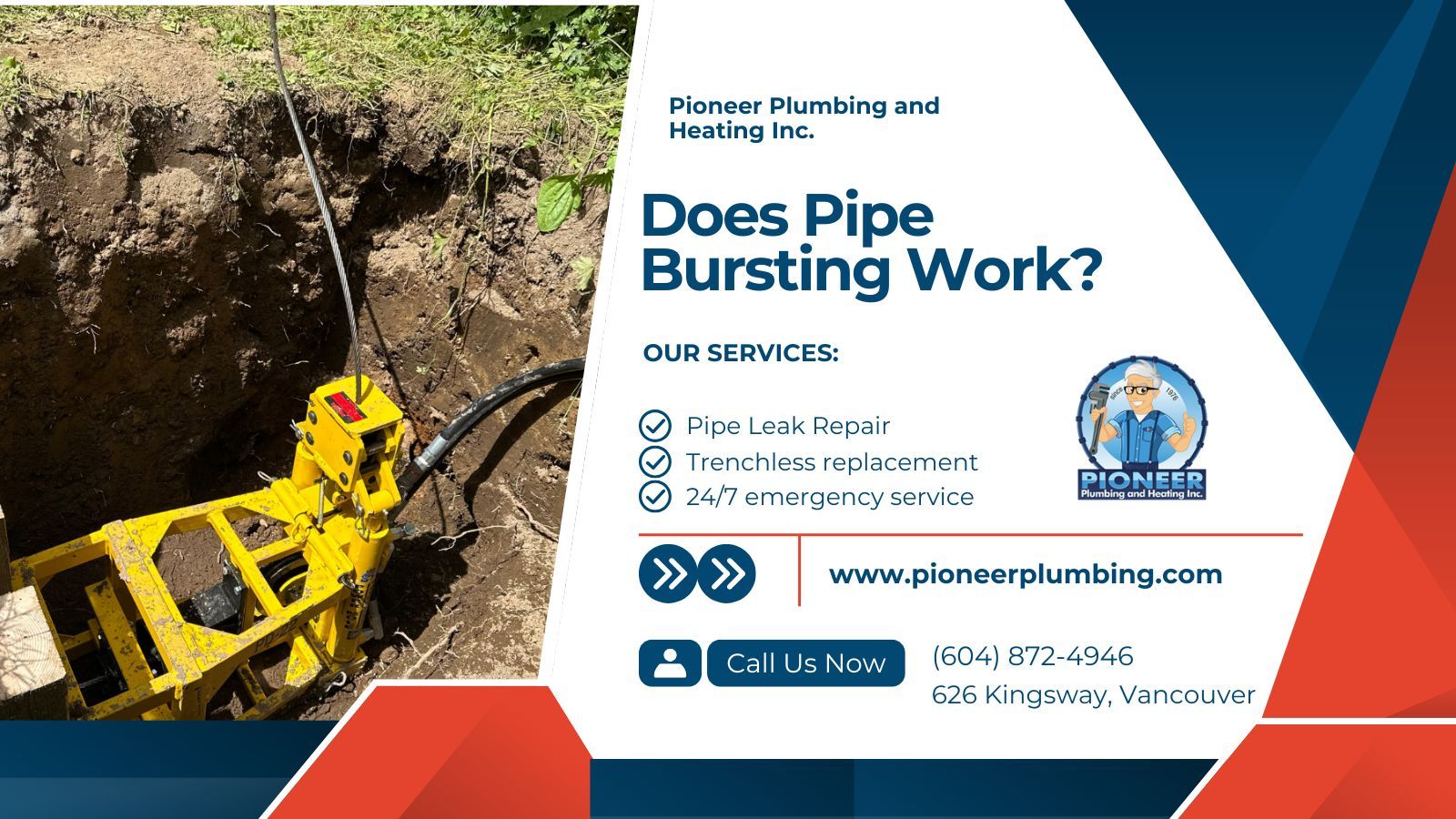
Trenchless technologies are increasingly used for water main repair and installation. These methods can install or replace pipes with minimal excavation, reducing traffic disruption and restoration costs.
When repair work affects your property or interrupts service to your water service line, your water utility should provide advance notice when possible and information about the expected duration of the outage.
Water Conservation and the Distribution System
The efficiency of water mains affects more than just your home, it impacts your community's water supply and costs. Many older systems lose 15-20% or more of treated water to leaks before it ever reaches customers through the public water system. This "non-revenue water" represents wasted energy, treatment chemicals, and precious water resources.
As a homeowner, you can support the system efficiency by reporting suspected leaks promptly and maintaining your own water service pipe to prevent water loss on the private side of the connection. Being mindful of water usage and water use patterns also helps the municipal system operate more efficiently.
Understanding Your Water and Sewer Infrastructure
In most communities, the water and sewer systems run parallel beneath streets, though they serve opposite functions. While the water main brings clean, pressurized water to your home, the sewer system carries wastewater away. Understanding both types of water infrastructure helps you recognize problems and know who to contact when issues arise.
Water mains are the unsung heroes of modern life, quietly delivering safe drinking water to homes and businesses every day. While these large underground pipes aren't your direct responsibility to maintain, understanding how they work, recognizing potential water problems, and knowing where public responsibility ends and yours begins can help you protect your home and respond appropriately when issues arise.
The water supply system that provides reliable water to your property represents a remarkable achievement of engineering and public infrastructure. The next time you turn on your tap, you'll have a better appreciation for the complex water distribution network making that simple action possible, and the dedicated professionals working to provide water to homes safely and reliably every single day.
Pioneer Plumbing & Heating Inc
626 Kingsway
Vancouver, BC
V5T 3K4
(604) 872-4946
https://cordedcourge.shop/sewer